Destin Beach Flags Explained: The Complete Guide to Every Color
Those flags flying over the sand aren't decoration — they're the Gulf's daily report card, and knowing how to read them is the difference between a perfect beach day and a dangerous one. Here's everything the Destin beach flags mean, who decides them, and what to do about each color.
Skip the reading — see what's flying right now.
Check Live Destin Beach Conditions →
Destin Beach Flag Colors: The Quick Reference
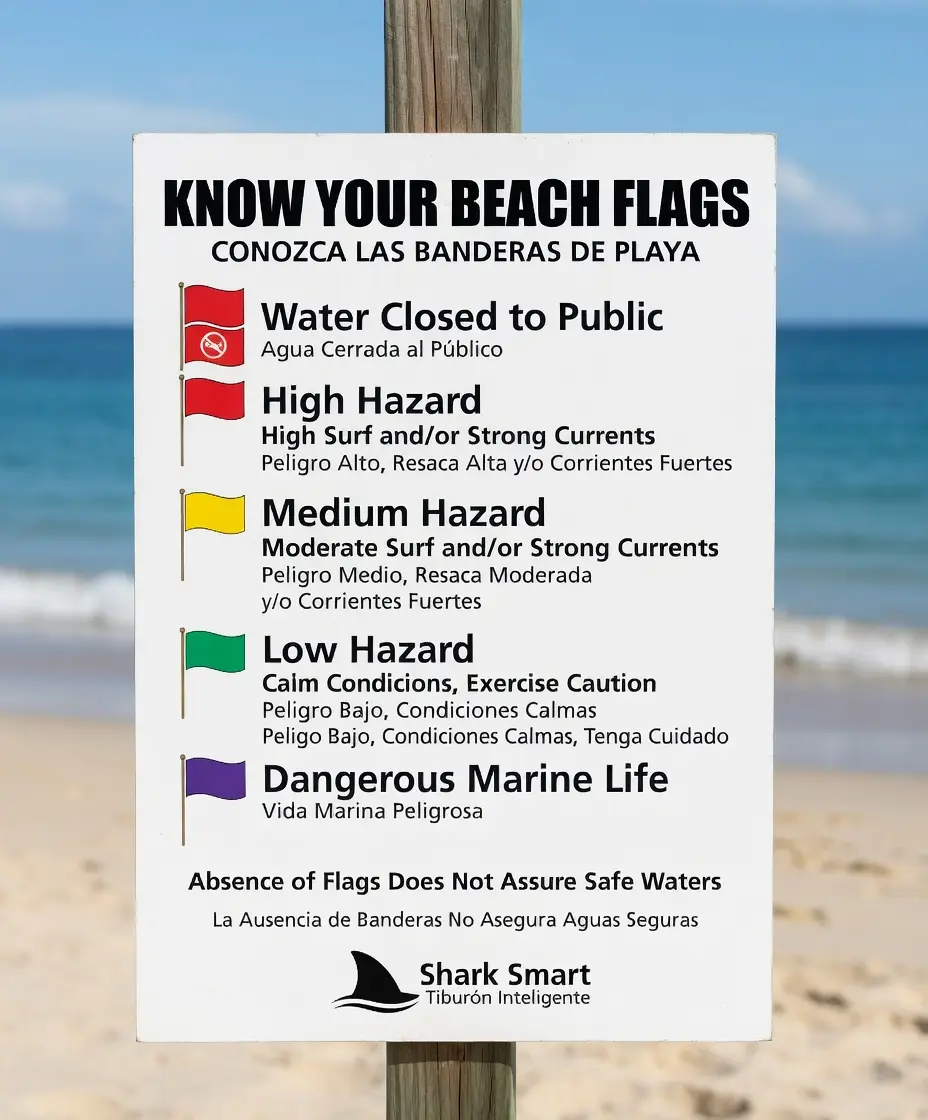
Destin uses the standard Gulf Coast warning flag system. Five signals, one glance:
| Flag | Meaning | What It Means for You |
|---|---|---|
| Green | Low hazard — calm conditions | Swim, float, enjoy. Still keep an eye on the kids; "calm" never means "lifeguard optional." |
| Yellow | Medium hazard — moderate surf and/or currents | The most common flag in Destin. Swimming is fine for confident swimmers; stay close to shore and keep weaker swimmers in shallow water. |
| Red | High hazard — rough surf, strong currents | Stay out. The waves might look fun; the current underneath doesn't care how fun they look. |
| Double Red | Water CLOSED to the public | Not a suggestion — it's the law. Entering the Gulf can cost you up to a $500 fine in Okaloosa County. |
| Purple | Dangerous marine life spotted | Usually jellyfish; occasionally stingrays or Portuguese man o' war. Flies WITH another flag — purple describes what's in the water, the other color tells you whether to be in it. |
Who Sets the Flags in Destin — and When They Change
The flags aren't set by hotels or lifeguard whim. In Destin and the rest of Okaloosa County, beach safety officials assess conditions every morning — surf height, rip current forecasts from the National Weather Service, wind, and reports from lifeguard patrols — and raise the day's flag accordingly.
Two things every visitor should know about the timing:
- Flags can change during the day. A green morning can become a red afternoon when a storm system moves in or the tide shifts. The morning flag is a forecast, not a promise.
- Different beaches, different flags. Destin, Fort Walton Beach, Miramar Beach, and the 30A beaches are managed by different authorities and can fly different colors on the same day. The flag that counts is the one at YOUR beach access.
Double Red Flags: When the Gulf Is Closed
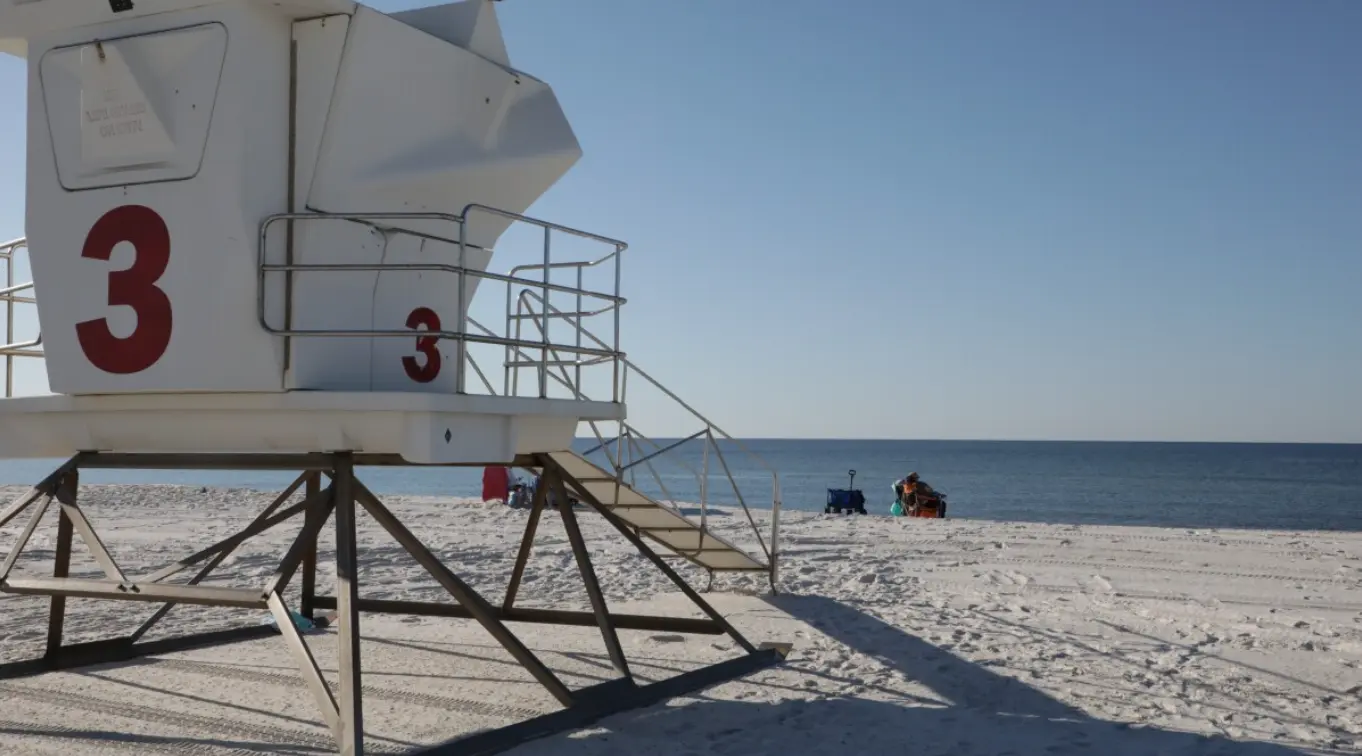
Double red is the one flag with legal teeth. When two red flags fly, the water is officially closed to the public — and in Okaloosa County, ignoring that can mean a fine of up to $500. Deputies and lifeguards do enforce it, and not because they enjoy writing tickets: double red days are when rescues turn into recoveries. The surf that closes the Gulf is the same surf that exhausts a strong swimmer in under a minute.
And a closed Gulf doesn't mean a lost day. We wrote the full playbook for exactly this situation: What to Do in Destin on a Red Flag Day — from Baytowne Wharf to the Biloxi casino run.
Rip Currents: The Reason the Flags Exist
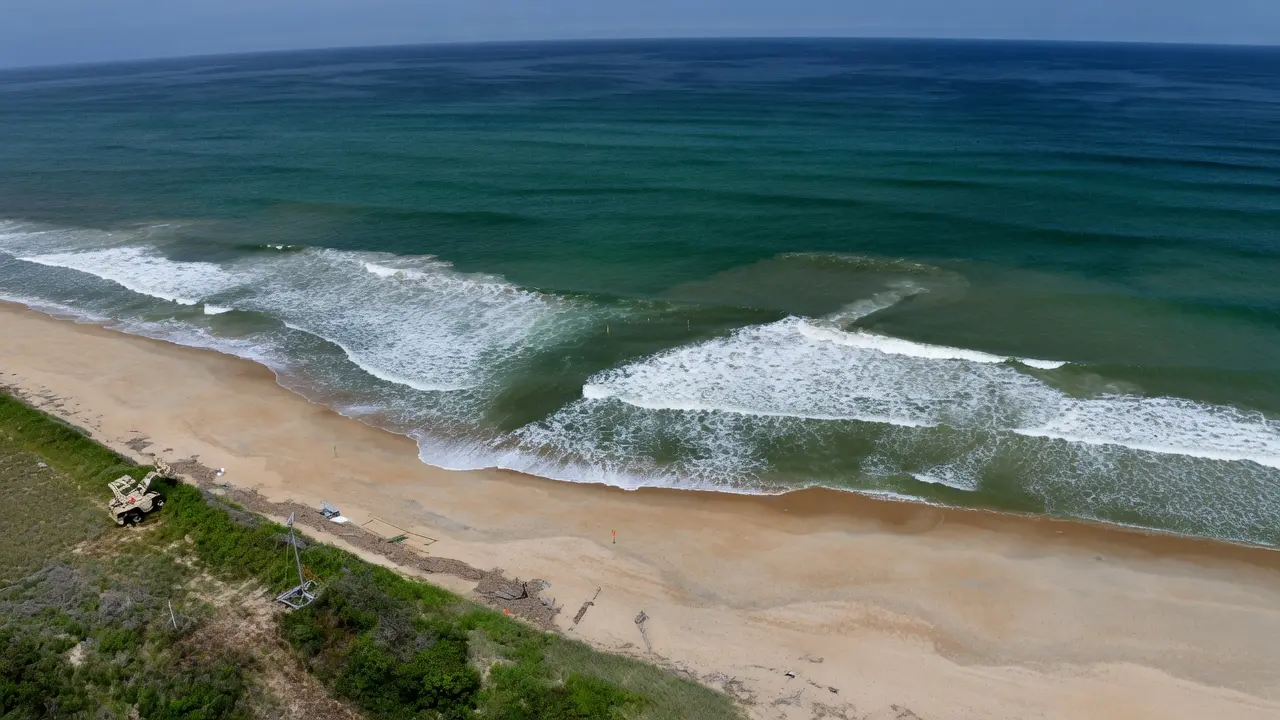
Most flag warnings in Destin come down to one thing: rip currents. A rip is a narrow channel of water flowing away from shore — a river inside the Gulf — and it's the deadliest thing on this coastline, precisely because it doesn't look dangerous. Rips often appear as the CALM gap between breaking waves: darker water, fewer whitecaps, sometimes a line of foam or sand moving seaward.
If you're ever caught in one
- Don't fight it. A rip pulls you out, not under. Swimmers drown fighting the current, not riding it.
- Swim parallel to the beach — rips are narrow. A few dozen yards sideways usually gets you out of the channel.
- Then angle back to shore with the waves helping you in.
- Can't escape? Float, wave, and yell. Conserving energy until help arrives beats exhausting yourself 200 yards out.
Destin Water Quality: The Other Kind of "Conditions"
Flags cover surf danger — but "is the water safe?" has a second answer: water quality. The Florida Healthy Beaches Program regularly samples Gulf water at Destin-area beaches, testing for enterococcus bacteria (the indicator health departments use for water contamination). Elevated results, which are most common after heavy rain washes runoff into the Gulf, trigger health advisories that are posted separately from the flag system.
The practical rule of thumb locals use: after a serious storm or days of heavy rain, give the water a day or two even if the flag is green. The Gulf usually clears fast — it just appreciates a little patience.
Destin Beach Conditions by Season
Every month has its own personality on this coastline. Here's the honest year-round picture:
| Season | Typical Conditions | What to Watch |
|---|---|---|
| Spring (Mar–May) | Warming water, beautiful days, but the Gulf can be moody — spring fronts kick up surf | More yellow/red flag days than summer visitors expect; water still cool in March |
| Summer (Jun–Aug) | Bathwater Gulf, mostly green/yellow mornings | Afternoon thunderstorms, jellyfish season, and the occasional purple flag |
| Fall (Sep–Nov) | Locals' favorite — warm water, thin crowds, calm stretches | Tropical systems in the Gulf can flip conditions fast through October |
| Winter (Dec–Feb) | Quiet, gorgeous, and cold — water in the 50s–60s | Cold fronts bring red flag surf; this is walking-the-beach season, not swimming season |
Neighboring Beaches: Same Gulf, Different Flags
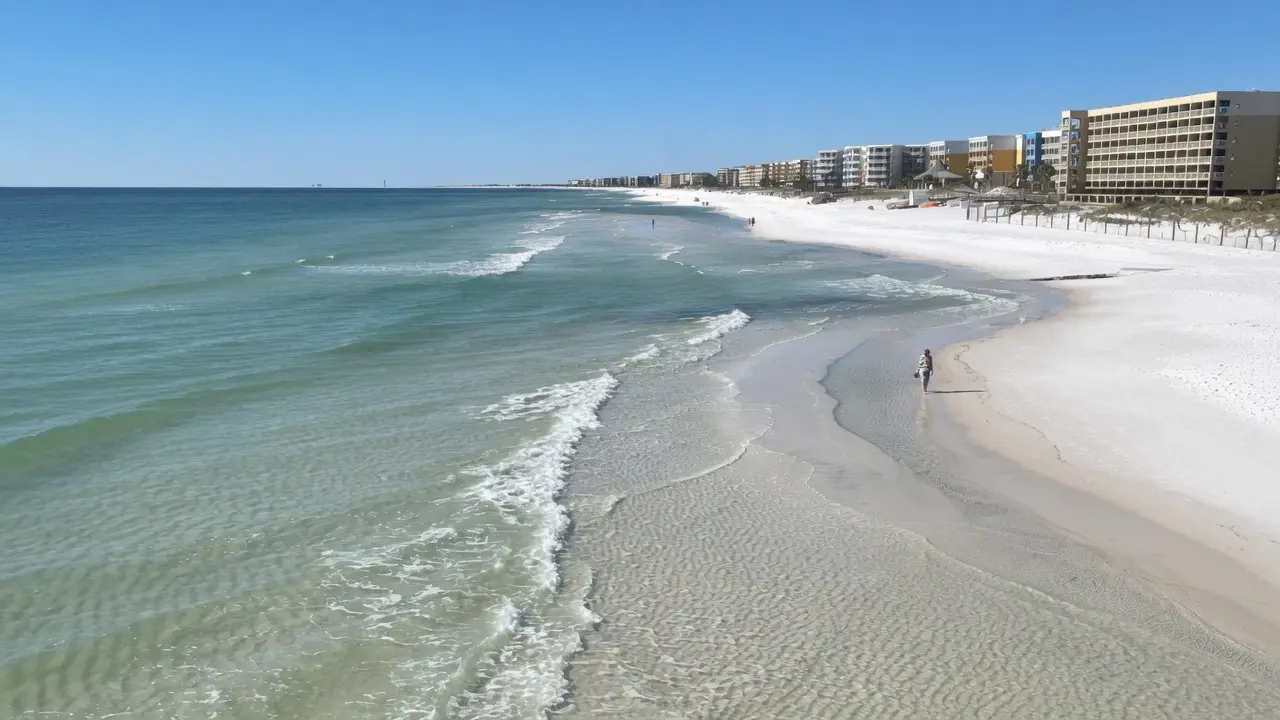
Planning to roam? Fort Walton Beach flies its own flags under Okaloosa County, while Miramar Beach and the 30A communities fall under South Walton's beach safety program. Same color system, independent daily calls — so never assume the Destin flag covers the beach you drove to.
check what's flying over Destin right now.
See Today's Live Flag Status →
Destin Beach Flag FAQ
What do the beach flags in Destin mean?
Green means low hazard, yellow means moderate surf or currents, red means high hazard (stay out), double red means the water is closed to the public, and purple means dangerous marine life — usually jellyfish — has been spotted.
Where can I check today's Destin beach flag?
Our live beach conditions page shows the current Destin flag status, updated daily — it's the same page thousands of Destin hotel guests check every morning.
Is it illegal to swim on a double red flag day?
Yes. Under double red flags the Gulf is legally closed, and entering the water in Okaloosa County can carry a fine of up to $500. Single red is a strong warning; double red is the law.
What does the purple flag mean in Destin?
Dangerous marine life — most often jellyfish, occasionally stingrays or Portuguese man o' war. Purple flies alongside another flag: purple tells you what's in the water, the companion color tells you whether you should be.
What time are beach flags updated in Destin?
Beach safety officials set the flag each morning based on surf, wind, and rip current forecasts — and they change it during the day if conditions shift. Always check again after a storm rolls through.
Are the flags the same at every Destin-area beach?
The color system is the same, but the daily call isn't — Destin, Fort Walton Beach, and the Miramar/30A beaches are managed by different authorities and can fly different flags on the same day. Check the flag at your specific beach access.
Flag status and enforcement details can change — always follow posted flags, signage, and lifeguard instructions at your beach access. When in doubt, don't go out.