Destin Beach Safety with Kids: Flags, Sandbars & Swim Zones
Destin is one of the most family-friendly coastlines anywhere — gentle slopes, clear water, sand made for castles. But the Gulf has house rules, and kids don't read flags. This is the parent's version: what to check, where to draw the line, and the handful of rules that do 95% of the work.
Rule One: The Flag Decides the Day
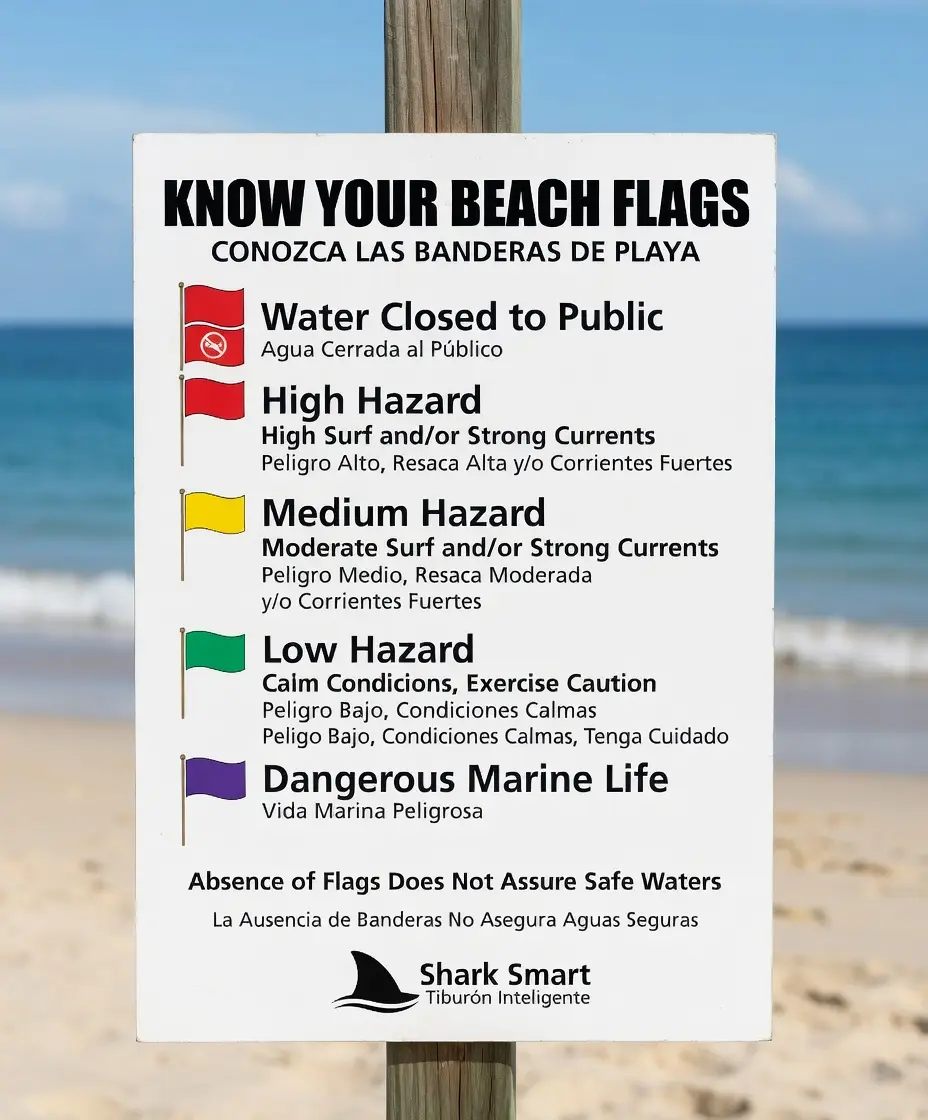
Before sunscreen, before the wagon, before anybody promises anybody anything — check the flag. With kids, the flag chart shifts one notch stricter across the board:
- Green: swim day — normal supervision rules apply
- Yellow: shallows day — kids stay where they can stand flat-footed, head and shoulders well out of the water (our yellow flag guide draws the full line)
- Red: sand day — nobody's swimming, and the waterline itself gets a buffer
- Double red: water's closed by law — including ankles, including "just one splash"
- Purple: whatever the companion flag says, plus eyes open and feet shuffling
The Sandbar Trap Every Visiting Parent Should Know
Here's the piece of Destin geography that surprises families every single week: the bottom isn't a smooth slope. It's a bar-and-trough system — a shallow sandbar a short way out where everyone stands looking like it's knee-deep forever, and between that bar and the beach, a trough of deeper water that can be over a small child's head.
The trap plays out the same way every time: a kid wades toward the sandbar where the family is standing, hits the trough, and is suddenly swimming — or trying to — in water they can't stand in, with current running along the trough. Nobody notices immediately because everyone on the bar is looking out to sea.
The Swim Zone Rules That Actually Stick
- The standing rule: kids swim where they can stand flat-footed with head and shoulders out. Waist-deep for big kids; knee-deep for the littles. Waves add depth in pulses — set the line shallower than seems necessary.
- The one-adult rule: one adult is in the water or standing at the waterline, actively watching — not reading in a chair behind an umbrella. Trade shifts like lifeguards do. The Gulf only needs thirty unwatched seconds.
- The landmark rule: current drifts everyone down-beach without a single alarming moment. Pick a landmark (your umbrella, a distinctive condo) and teach kids to check it and walk back up-beach every few minutes.
- The buddy rule: no kid in the water alone, period — even ankle-deep, even "for one second."
Littles at the Waterline
For toddlers, the waterline is the whole beach — and it has its own physics. Shorebreak (the wave breaking right at the sand) can knock a small child flat, and the backwash pulls harder than it looks, sweeping feet from under kids at ankle depth. Position littles a body-length up the slope from where waves land, and sit down-slope of them, between your kid and the water. Gravity plus a wave always moves toward the Gulf.
The Sand Rules (Yes, Really)
Two non-water rules every Destin lifeguard wishes parents knew. Deep holes are genuinely dangerous — sand collapses without warning, and a hole deeper than a kid's knees is deep enough to trap one. Dig wide and shallow, and fill holes before you leave; they're ankle-breakers for evening walkers and obstacles for beach patrols. And the shuffle: teach kids to slide their feet entering the water instead of stepping — stingrays resting in the shallows feel it coming and clear out before contact.
The Thirty-Second Pre-Beach Check
Flag status, surf report, water temp — one glance from the room before the great sunscreen wrestling match begins:
It decides everything else.
See Live Destin Beach Conditions →
And for the complete flag system — every color, who sets them, and the double red fine — keep our complete guide to Destin beach flags bookmarked for the week.
Kids Beach Safety FAQ
Is Destin safe for kids to swim?
Yes — Destin's clear, gradually sloping water is very family-friendly on green and calm yellow flag days, with supervision. The key local hazards to manage are the deeper trough before the sandbar, along-shore current, and flag-day surf.
What is the trough at Destin beaches?
The channel of deeper water between the shoreline and the first sandbar. It can be over a child's head even when the sandbar beyond looks shallow, and current runs strongest through it — kids shouldn't cross it without an adult beside them.
Can kids use floats and water wings at Destin beach?
Pool inflatables and water wings aren't safety devices — wind and current move them offshore quickly. A child who needs flotation should wear a properly fitted U.S. Coast Guard–approved life jacket, and inflatables should stay ashore on breezy days.
What flag is safe for kids to swim in Destin?
Green is a normal swim day with supervision. Yellow means shallows only — standing depth with head and shoulders out. Red and double red are sand days; no water for kids at all.
Every child and every day is different — this guide supplements adult judgment, posted flags, and lifeguard instructions rather than replacing them.