Is the Water Safe? Destin Beach Water Quality, Explained
The flags tell you whether the surf is safe. Water quality is the other half of the question — is the water itself clean? Here's how Destin's water actually gets tested, what an advisory means, and the one rule of thumb locals swim by after a big rain.
The Short Answer
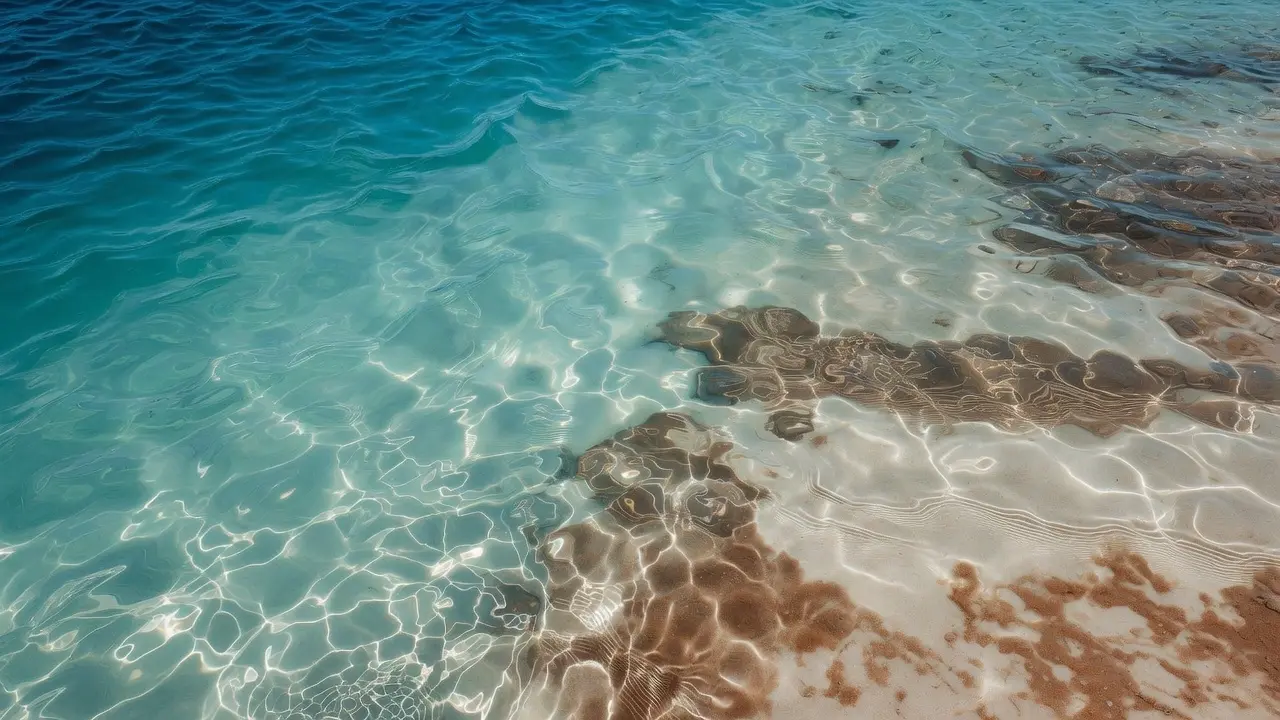
Destin's water quality is genuinely good — it's a big part of why the Emerald Coast looks like the Emerald Coast. The Gulf here is well-flushed, the sand is quartz-white, and clarity that lets you watch your own feet in chest-deep water isn't an accident. But "usually excellent" isn't "always," and the exceptions follow a predictable pattern worth knowing.
How the Water Gets Tested
Florida's Healthy Beaches Program regularly samples the water at beaches along the Destin coastline. The test target is enterococcus bacteria — the standard indicator health agencies use to detect contamination, typically from stormwater runoff or, less often, wildlife and other sources. When samples come back above the acceptable threshold, the health department issues a swim advisory for that specific location until follow-up samples clear.
Rain Is the Whole Story (Mostly)
Nearly every water quality dip in Destin follows the same script: heavy rain. A serious storm washes whatever's on the landscape — streets, lawns, parking lots — into outfalls and down to the Gulf, and bacteria counts spike temporarily near those outflow points. That's why advisories cluster in the days right after big rain events and then clear as the Gulf does what it does best: flush, dilute, move on.
"The Water Looks Weird" — A Field Guide
Murky green fuzz in early summer? Probably June grass.
That soupy green algae that shows up some June-July stretches is a seasonal nuisance, not a contamination event. It's unpleasant to swim through and completely unrelated to bacteria advisories — the water can test perfectly clean while looking like blended salad. It comes and goes with wind and current.
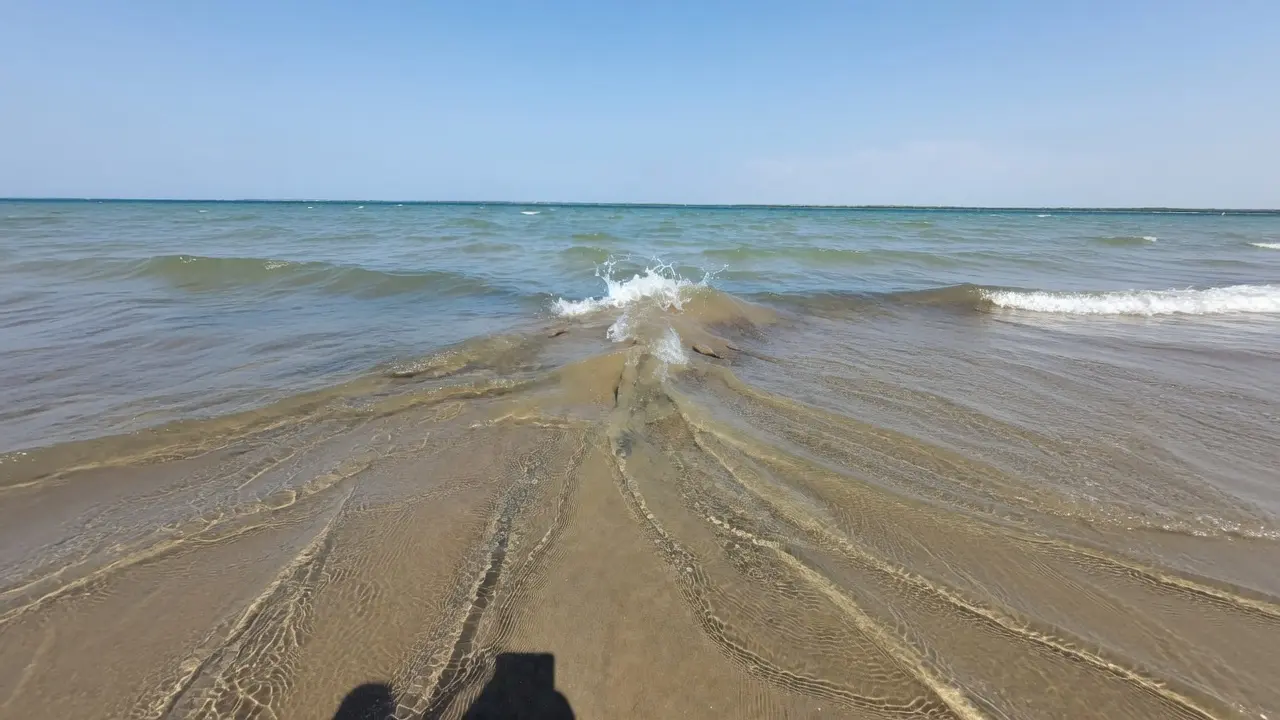
Brown or stirred-up water? Usually sediment.
Rough surf churns sand into the water column and rain muddies the nearshore — cosmetic, mostly, and it settles as the surf does. Brown doesn't automatically mean dirty; the bacteria test is the only real referee.
The serious-but-rare one: algal blooms.
Harmful blooms like red tide are far more a Southwest Florida story than a Destin one, but the Panhandle isn't immune forever and always. Symptoms are unmistakable when it happens — respiratory irritation on the beach, dead fish — and official advisories go up quickly. In a typical Destin summer, this never enters the picture.
How to Check Before You Swim
- After heavy rain: apply the day-or-two rule above, and glance for advisory signage at your beach access.
- Advisory signs are posted at affected access points when bacteria samples exceed limits — they're location-specific, so a posted access doesn't condemn the whole coastline.
- Surf conditions and flags: that's the daily check that covers the other half of "is the water safe" — and it's one tap away.
Check today's conditions before you head down.
See Live Destin Beach Conditions →
And for the flag half of the safety picture — every color, decoded — start with our complete guide to Destin beach flags.
Water Quality FAQ
Is the water in Destin clean to swim in?
Generally, yes — Destin's Gulf water is well-flushed and typically tests clean. Temporary advisories happen, most often near outflow points after heavy rain, and clear once follow-up bacteria samples pass.
How is Destin beach water quality tested?
Florida's Healthy Beaches Program samples area beaches for enterococcus bacteria, the standard contamination indicator. Results above the threshold trigger a swim advisory for that specific location until samples clear.
Is it safe to swim in Destin after it rains?
Light rain, generally yes. After heavy or prolonged rain, the local rule of thumb is to wait a day or two — runoff temporarily raises bacteria levels, especially near stormwater outfalls, and the Gulf clears quickly.
What is the green stuff in the water in Destin?
In early summer it's usually June grass — a seasonal algae that makes the water murky but is unrelated to bacterial contamination. It's a nuisance, not a health advisory, and moves out with the current.
Advisories and conditions are location-specific and change with weather — check posted signage at your access point and follow current health department guidance.