How to Spot a Rip Current in Destin — and Escape One
Almost every flag warning on this coast traces back to one thing: rip currents. They're the deadliest hazard on Destin's beaches, and the cruelest part is that they don't look dangerous — a rip often looks like the calmest patch of water out there. Five minutes of reading fixes that. Here's how to see them, avoid them, and get out of one.
What a Rip Current Actually Is
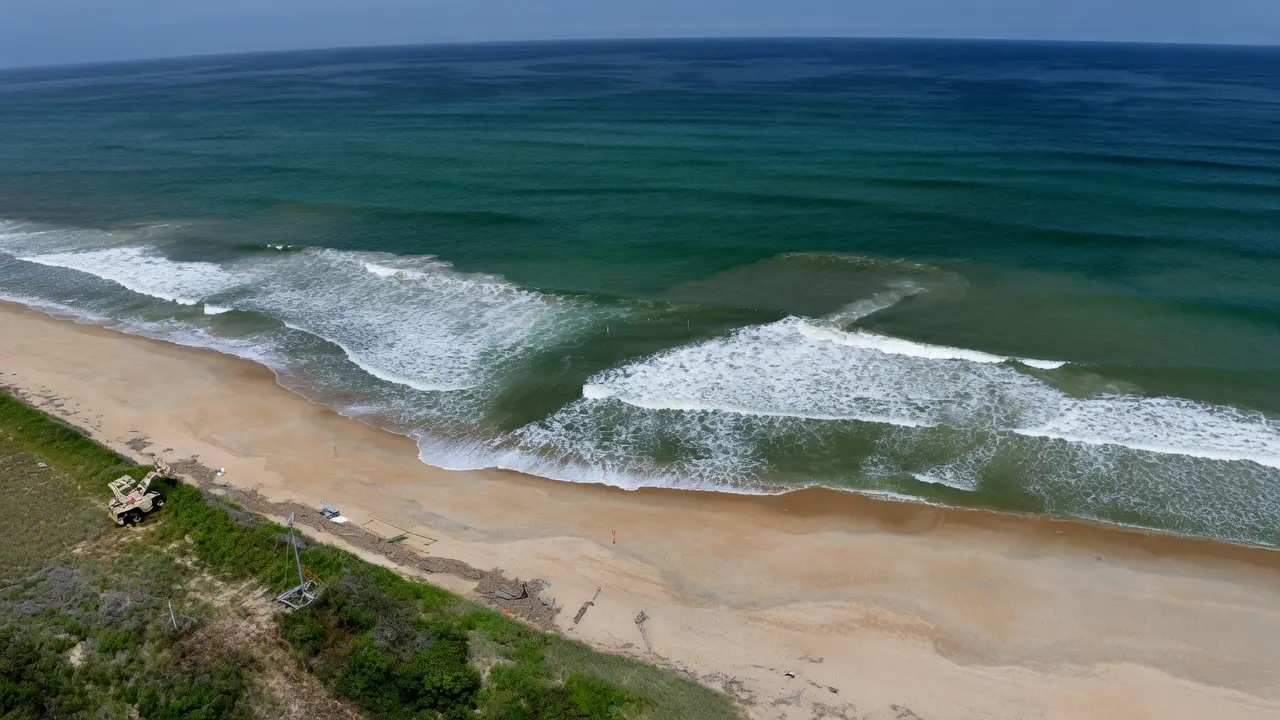
A rip current is a narrow river of water flowing away from the beach — the ocean's drain. Waves push water over Destin's sandbars toward shore; that water has to get back out, and it funnels through gaps in the bar. That funnel is the rip: typically 10–30 yards wide, moving faster than most people can swim, running from the shallows out past the sandbar before it dissipates.
Two myths to kill right now. First, a rip does not pull you under — it pulls you out. People drown fighting it, exhausting themselves against a current that was never going to drown them on its own. Second, rips aren't a rough-day-only problem: Destin's sandbar structure means rip channels exist even when the surf looks friendly, which is exactly why yellow flags deserve respect.
How to Spot One From the Sand
- A dark channel between whitecaps — waves break on the sandbars; they don't break in the deeper rip channel. The calm lane between two zones of breaking waves is the classic rip signature.
- A line of foam, seaweed, or murky sand moving seaward — the rip is a conveyor belt, and it carries debris out with it.
- Choppy, textured water in an otherwise clean wave pattern — the outbound current fighting incoming waves ruffles the surface.
- A gap in the sandbar you can feel — wading the bar and suddenly it drops deeper? You may be standing in the channel. Move sideways.
Destin's clear emerald water is actually an advantage here — rip channels often read as visibly darker lanes against the bright sandbars. Higher vantage points help: check from the dune walkover or balcony before you pick your spot.
If You're Caught in One: The Escape
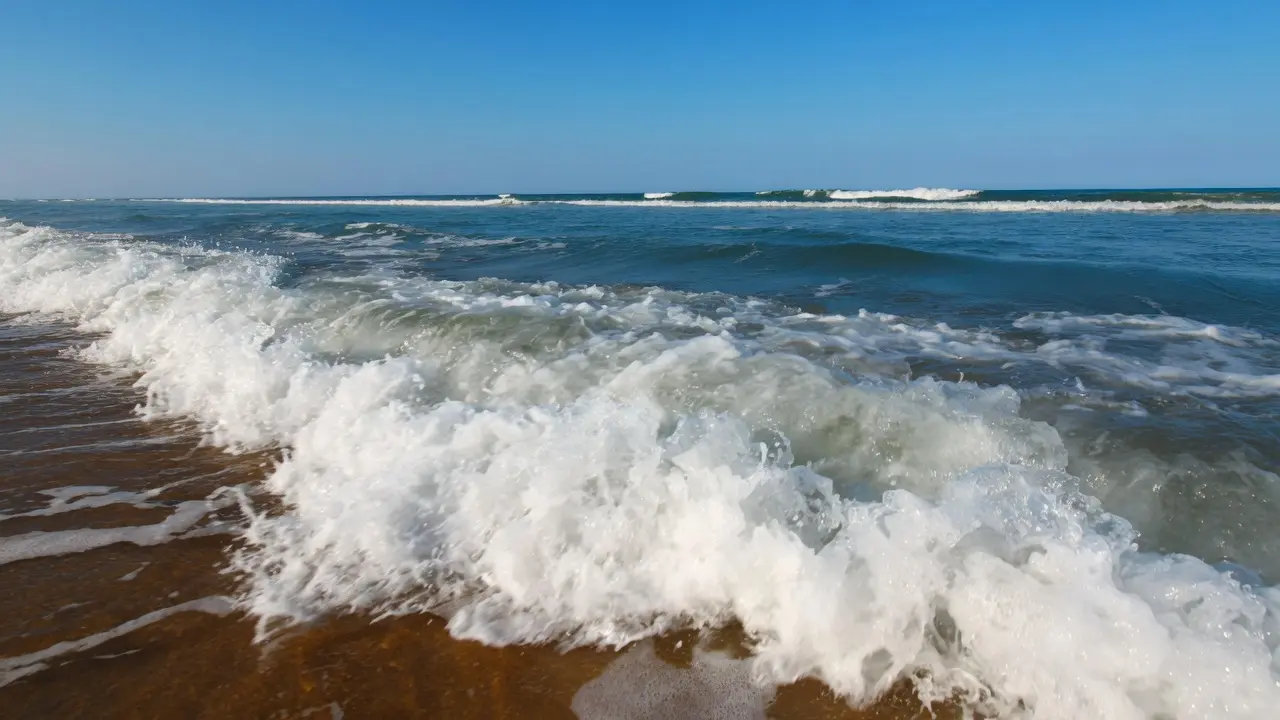
- Don't fight it. Swimming straight back to shore against a rip is the losing move — it's faster than you. Let it carry you; it's taking you out, not down.
- Swim parallel to the beach. Rips are narrow. A few dozen strokes sideways — either direction — usually exits the channel.
- Then angle back in, letting the breaking waves push you toward shore.
- Can't break out? Float and signal. Face the shore, wave one arm, yell. Floating conserves the energy that panicking burns. Rips weaken past the sandbar — many release you on their own.
When Rips Are Most Likely in Destin
- Red and double red flag days — the flags largely ARE a rip forecast. Red means the rip risk is high; double red means it's severe enough to close the water.
- The day or two after a storm — passing systems reshape the sandbars, opening new channels in unfamiliar places. This is why flags stay up after skies clear.
- Around tide changes — outgoing water intensifies rip flow, especially through the afternoon.
- Any day, honestly — Destin's bar-and-channel bottom means rips are a permanent feature, just stronger on some days. The flag tells you the day; your eyes tell you the spot.
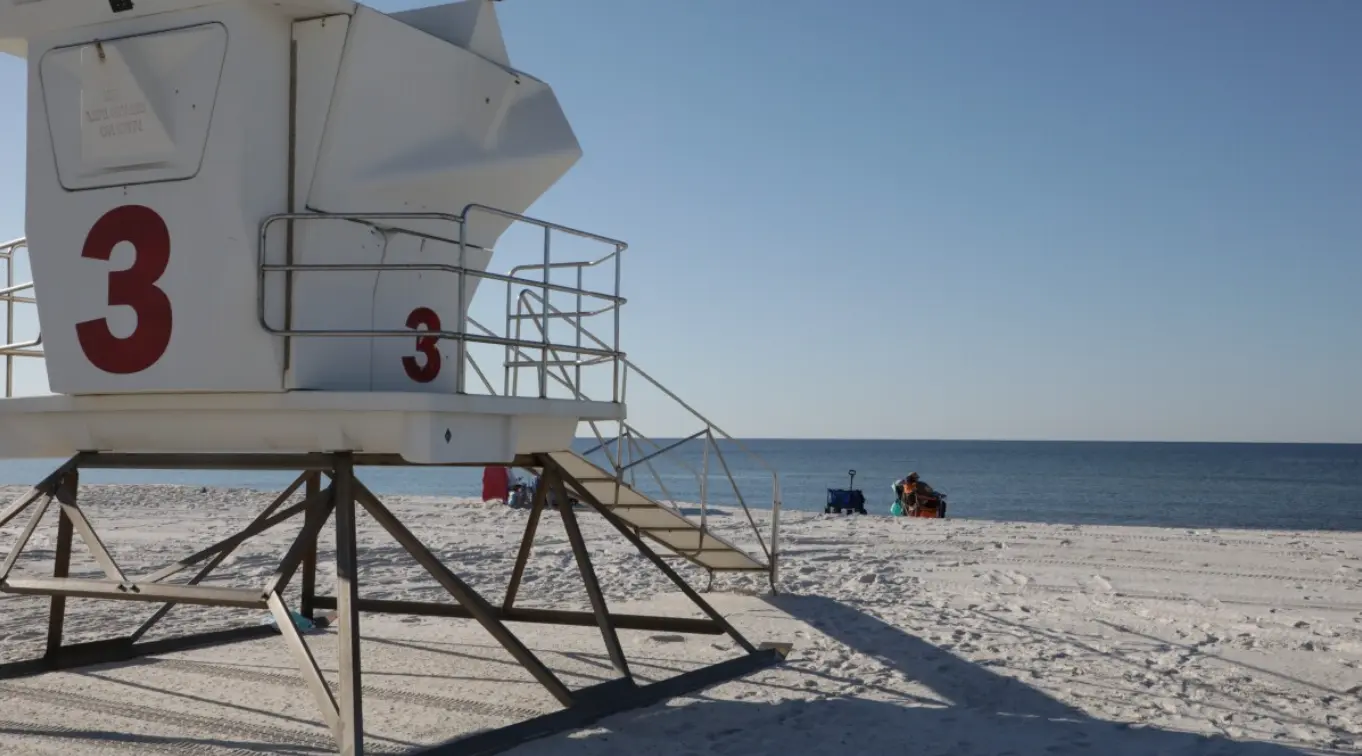
And the simplest rip insurance available: swim near a lifeguard. They've been reading this exact stretch of water all morning and already know where today's channels are. Ask them — they'll point.
Check what's flying before you pick your spot.
See Live Destin Beach Conditions →
For the full flag system — every color, the fines, and who sets them each morning — see our complete guide to Destin beach flags.
Rip Current FAQ
What does a rip current look like in Destin?
Usually a darker, calmer channel between two areas of breaking waves — often with foam, seaweed, or sandy water moving seaward through it. In Destin's clear water, rip channels frequently show as dark lanes against the bright sandbars.
What should you do if caught in a rip current?
Don't swim against it. Swim parallel to the beach until you're out of the narrow channel, then angle back to shore. If you can't escape, float, wave one arm, and yell for help — the current pulls you out, not under.
Can rip currents happen on calm days in Destin?
Yes. Destin's sandbar structure creates permanent rip channels that strengthen and weaken with conditions. Calm-looking days with a yellow flag can still carry real rip risk, especially near sandbar gaps and after recent storms.
How do I know the rip current risk today?
Check the beach flag — red flags primarily signal high rip current risk, and double red means the water is closed. The live Destin flag status is updated daily.
This guide is general safety information — conditions vary by day and by stretch of beach. Follow posted flags and lifeguard instructions, and when in doubt, stay out.